
By Kate Oczypok
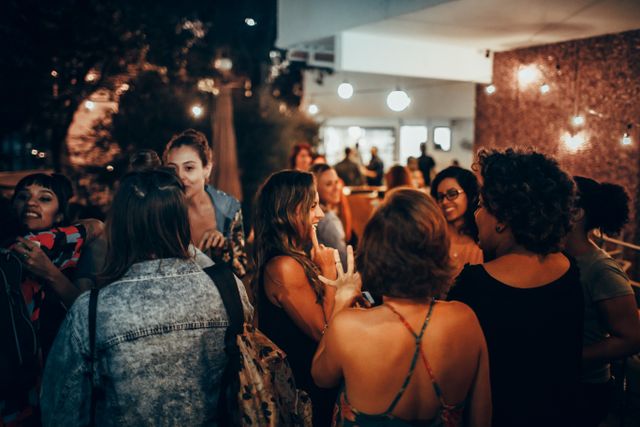
Do you remember the last time you weren’t in your house or the office? Perhaps you were catching up with friends at a café? Or maybe you’re part of a jogging club that meets at a local park every week? These are examples of “third places,” a term coined by sociologist Ray Oldenburg to describe spaces outside of the workplace and home where people can socialize.
The traditional mall model where generations past hung out after school and on weekends has been reenvisioned as a social environment, with a focus on community. Third places have shops much like the malls of the ‘80s and ‘90s did, but they’re also where people can gather to build community.
Many are tired of being constantly online and are eager to head to environments that sit between home and work. Third places support connection and brand engagement.
Creating a successful third place, according to Yahoo! Finance, requires more than just a cafe or place to hang out. All third place features should include ways to make customers feel like a valuable part of the community. The experience needs to reflect on the brand while at the same time, meeting basic customer retail needs.
With online shopping becoming so routine, younger generations are craving third place centers.. Gen Z did not grow up visiting malls like generations before them, and they have found that they enjoy and appreciate in-person shopping, and love in-person shopping experiences even better. As previously stated, experience is the key word for third place shopping. Youth are starting to realize the value of a shared experience, and love being able to make a shopping trip an event of sorts. It’s rubbing off on other generations too, as more Boomers, Gen-Xers, and Millennials, as well as Gen Alpha, are enjoying the concept.
Third places are designed to make people feel welcome and invited. Their nostalgic factor, combined with being technologically advanced, are the reason people are flocking to them.
The bottom line is, third place shopping is designed to be more than just a quick transaction. They are meant to be venues for community members to linger a bit or run into someone they know while taking a class or checking out a pop-up from a local crafter.
By Kate Oczypok
Do you remember the last time you weren’t in your house or the office? Perhaps you were catching up with friends at a café? Or maybe you’re part of a jogging club that meets at a local park every week? These are examples of “third places,” a term coined by sociologist Ray Oldenburg to describe spaces outside of the workplace and home where people can socialize.
The traditional mall model where generations past hung out after school and on weekends has been reenvisioned as a social environment, with a focus on community. Third places have shops much like the malls of the ‘80s and ‘90s did, but they’re also where people can gather to build community.
Many are tired of being constantly online and are eager to head to environments that sit between home and work. Third places support connection and brand engagement.
Creating a successful third place, according to Yahoo! Finance, requires more than just a cafe or place to hang out. All third place features should include ways to make customers feel like a valuable part of the community. The experience needs to reflect on the brand while at the same time, meeting basic customer retail needs.
With online shopping becoming so routine, younger generations are craving third place centers.. Gen Z did not grow up visiting malls like generations before them, and they have found that they enjoy and appreciate in-person shopping, and love in-person shopping experiences even better. As previously stated, experience is the key word for third place shopping. Youth are starting to realize the value of a shared experience, and love being able to make a shopping trip an event of sorts. It’s rubbing off on other generations too, as more Boomers, Gen-Xers, and Millennials, as well as Gen Alpha, are enjoying the concept.
Third places are designed to make people feel welcome and invited. Their nostalgic factor, combined with being technologically advanced, are the reason people are flocking to them.
The bottom line is, third place shopping is designed to be more than just a quick transaction. They are meant to be venues for community members to linger a bit or run into someone they know while taking a class or checking out a pop-up from a local crafter.